
Commentary: Strait of Hormuz crisis left a climate threat lurking in Gulf waters
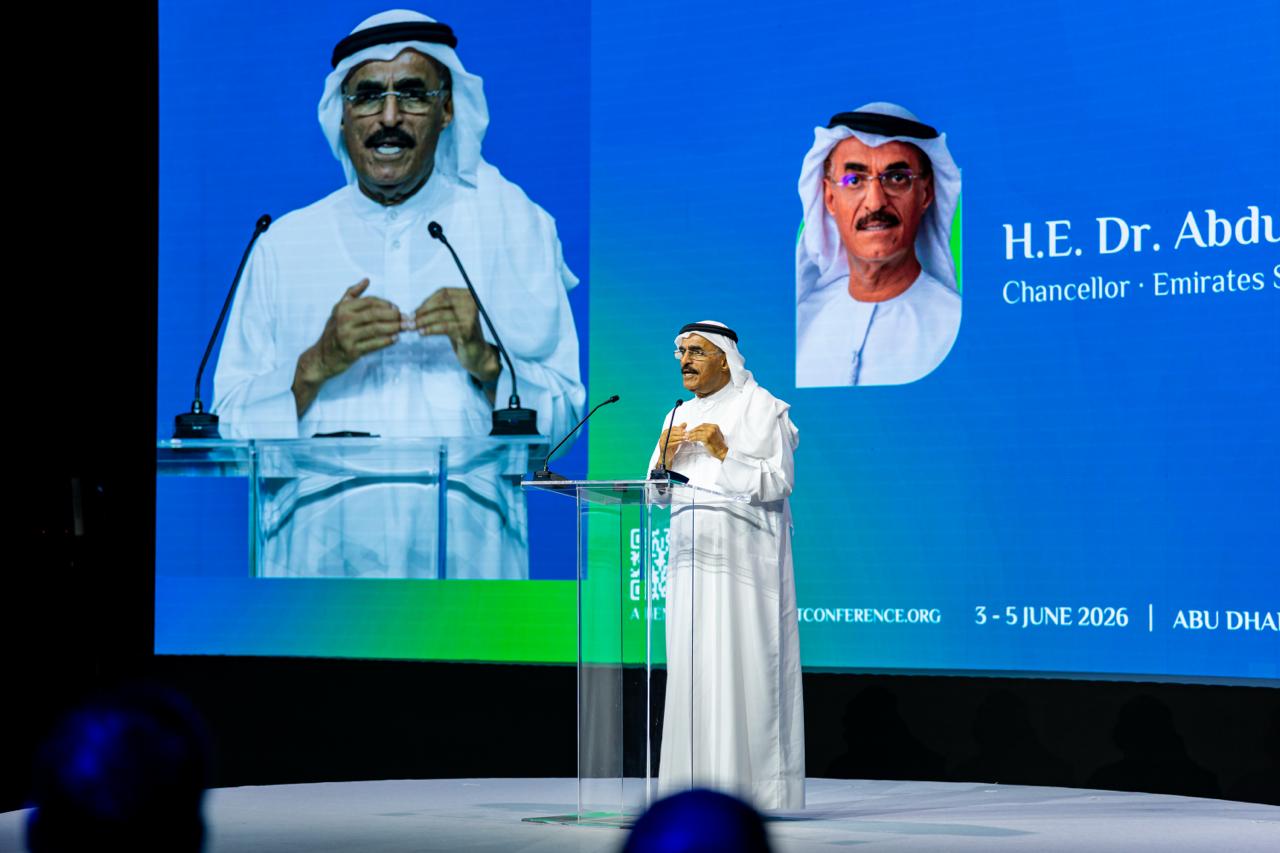
The author is president of UAE Safety and Emergency Security Association and professor of sustainable development at the American University of Sharjah. He is former UAE Minister of Climate Change and Environment and former Minister of Infrastructure. He authored two books on climate change that influenced academic and international reforms.
Recent developments have shown that the situation in the Strait of Hormuz remains highly fluid, with security risks continuing to influence shipping and regional stability. We are in a period of cautious stability as maritime traffic resumes under reinforced monitoring and the region finds itself navigating a fragile equilibrium.
Diplomatic channels remain active, naval patrols maintain their vigilance, and energy markets are gradually regaining confidence. Yet beneath this surface of restored order lies a deeper and more persistent concern — one that did not fade with the easing of tensions.
The environmental footprint left by weeks of vessel idling, congestion, and operational disruption across Gulf waters remains embedded in the region’s already fragile marine system, now interacting with one of the most extreme heat periods the Gulf has ever recorded.
During the height of the crisis, more than 85 oil tankers were stranded across the Gulf, some immobilised for over 10 days. These massive vessels — each weighing hundreds of thousands of tons — continued burning between 20 and 40 tons of fuel per day to power cooling systems, generators, and navigational equipment, even while stationary. This daily consumption produced 3 to 5 tons of sulfur dioxide, 4 to 7 tons of nitrogen oxides, and more than 100 tons of carbon dioxide, in addition to PM2.5 particles and polycyclic aromatic hydrocarbons — pollutants globally recognised as hazardous to human health and marine life.
Warming twice the global average
The gravity of these emissions becomes clearer when placed in their regional context. Leading climate studies show that the Middle East and North Africa is warming at nearly twice the global average, with the Arabian Gulf emerging as one of the fastest‑warming marine basins on Earth.
Temperature records indicate that maximum air temperatures in parts of the Gulf have risen by 0.75 to 2.2°C in recent decades, accompanied by a sharp increase in extreme‑heat days and recurrent spikes in heat‑stress indicators approaching the limits of human tolerance.
This accelerated warming extends beyond land to the sea itself. Measurements show that the Gulf’s shallow waters are heating at a pace exceeding that of most oceans, driving marine heatwaves that weaken coral reefs, reduce the sea’s natural carbon‑absorption capacity, and heighten the vulnerability of an already stressed ecosystem. In such a sensitive climatic setting, any sudden surge in emissions — such as that caused by the recent vessel congestion — becomes a multiplier of risk, adding pressure to an environment already under unprecedented thermal strain.
Security and climate pressures
Earlier, I argued that the impacts of conflict extend far beyond physical destruction. Armed tensions generate massive emissions, disrupt environmental oversight, and erode the infrastructure that regulates pollution. In climate‑sensitive regions like the Gulf, political instability interacts with ecological fragility, producing consequences that outlast the conflict itself.
The recent maritime disruption in the Strait of Hormuz reinforces this point. Even tensions that fall short of open conflict can create similar environmental conditions: Vessel congestion, sudden spikes in emissions, and intensified stress on a climate system already strained by record heatwaves. In this way, security crises and climate pressures intersect, forming a dangerous cycle that reaches deep into the environment, the economy, and public health.
With land and sea heatwaves intensifying across the region, any additional emissions — even over a few days — become disproportionately harmful.
The delicate climatic balance underpinning the Gulf’s stability is growing more fragile, as atmospheric and marine heat reinforce one another and amplify the pressures on ecosystems already struggling with pollution and thermal stress.
This is precisely the core idea I explored in my book, Climate Change Enigma: The Delicate Balance, that climate disruption does not erupt suddenly; it accumulates quietly, detail by detail — from a stranded vessel to an unexpected heatwave — until the system’s resilience begins to erode. Ignoring these details risks consequences deeper and more enduring than political or economic disputes.
Recent developments have shown that the situation in the Strait of Hormuz remains highly fluid, with security risks continuing to influence shipping and regional stability. We are in a period of cautious stability as maritime traffic resumes under reinforced monitoring and the region finds itself navigating a fragile equilibrium.
Diplomatic channels remain active, naval patrols maintain their vigilance, and energy markets are gradually regaining confidence. Yet beneath this surface of restored order lies a deeper and more persistent concern — one that did not fade with the easing of tensions.
The environmental footprint left by weeks of vessel idling, congestion, and operational disruption across Gulf waters remains embedded in the region’s already fragile marine system, now interacting with one of the most extreme heat periods the Gulf has ever recorded.
During the height of the crisis, more than 85 oil tankers were stranded across the Gulf, some immobilised for over 10 days. These massive vessels — each weighing hundreds of thousands of tons — continued burning between 20 and 40 tons of fuel per day to power cooling systems, generators, and navigational equipment, even while stationary. This daily consumption produced 3 to 5 tons of sulfur dioxide, 4 to 7 tons of nitrogen oxides, and more than 100 tons of carbon dioxide, in addition to PM2.5 particles and polycyclic aromatic hydrocarbons — pollutants globally recognised as hazardous to human health and marine life.
Warming twice the global average
The gravity of these emissions becomes clearer when placed in their regional context. Leading climate studies show that the Middle East and North Africa is warming at nearly twice the global average, with the Arabian Gulf emerging as one of the fastest‑warming marine basins on Earth.
Temperature records indicate that maximum air temperatures in parts of the Gulf have risen by 0.75 to 2.2°C in recent decades, accompanied by a sharp increase in extreme‑heat days and recurrent spikes in heat‑stress indicators approaching the limits of human tolerance.
This accelerated warming extends beyond land to the sea itself. Measurements show that the Gulf’s shallow waters are heating at a pace exceeding that of most oceans, driving marine heatwaves that weaken coral reefs, reduce the sea’s natural carbon‑absorption capacity, and heighten the vulnerability of an already stressed ecosystem. In such a sensitive climatic setting, any sudden surge in emissions — such as that caused by the recent vessel congestion — becomes a multiplier of risk, adding pressure to an environment already under unprecedented thermal strain.
Security and climate pressures
Earlier, I argued that the impacts of conflict extend far beyond physical destruction. Armed tensions generate massive emissions, disrupt environmental oversight, and erode the infrastructure that regulates pollution. In climate‑sensitive regions like the Gulf, political instability interacts with ecological fragility, producing consequences that outlast the conflict itself.
The recent maritime disruption in the Strait of Hormuz reinforces this point. Even tensions that fall short of open conflict can create similar environmental conditions: Vessel congestion, sudden spikes in emissions, and intensified stress on a climate system already strained by record heatwaves. In this way, security crises and climate pressures intersect, forming a dangerous cycle that reaches deep into the environment, the economy, and public health.
With land and sea heatwaves intensifying across the region, any additional emissions — even over a few days — become disproportionately harmful.
The delicate climatic balance underpinning the Gulf’s stability is growing more fragile, as atmospheric and marine heat reinforce one another and amplify the pressures on ecosystems already struggling with pollution and thermal stress.
This is precisely the core idea I explored in my book, Climate Change Enigma: The Delicate Balance, that climate disruption does not erupt suddenly; it accumulates quietly, detail by detail — from a stranded vessel to an unexpected heatwave — until the system’s resilience begins to erode. Ignoring these details risks consequences deeper and more enduring than political or economic disputes.