Energy decisions that will shape our world's future
Fossil fuels, which have powered the industrial growth and development of civilisations for centuries, are facing a looming deadline of depletion. Moreover, they have caused severe environmental and social problems, such as climate change, conflicts, and pollution. The need for alternative and sustainable energy sources is clear and urgent. However, the transition to a post-fossil fuel era is not easy or straightforward. It requires innovation, investment, cooperation, and vision.
This article explores the challenges and opportunities of global energy transformation, focusing on the dual nature of fossil fuels, the countdown to their exhaustion, and the promise of renewable energy sources. It also highlights the progress and potential of some countries in the Middle East and North Africa (MENA) region, which is one of the most dependent regions on fossil fuels in the world.
Fossil Fuels: A Double-Edged Sword
Fossil fuels, comprising oil, coal, and natural gas, are ancient energy sources that have been central to the development of various industries and sectors. They have enhanced transportation, manufacturing, agriculture, and electricity generation. They have catalysed global trade, commerce, and innovation, elevating the quality of life for millions.
However, this ascent has been coupled with profound challenges. Fossil fuels have been a source of geopolitical strife, epitomised by wars and conflicts over their control and distribution. They have also exacerbated environmental issues, such as greenhouse gas emissions, global warming, and climate change. Incidents like oil spills, gas leaks, and fracking have inflicted severe damage on ecosystems and public health.
The Countdown to Depletion
The finite and non-renewable nature of fossil fuels leaves humanity facing a daunting deadline. Predicting the exact exhaustion of these resources is a complex endeavour, influenced by reserves, consumption rates, technological advancements, and price fluctuations. Nonetheless, projections based on current data paint a concerning picture.
According to Octopus Energy, the year 2060 may mark the twilight of fossil fuels, based on current consumption and reserve estimates. In 2020, global oil production reached 91.7 million barrels per day (b/d), with key players like the United States, Saudi Arabia, and Russia at the forefront. Simultaneously, natural gas production stood at 3.94 trillion cubic meters (bcm). Although the Covid-19 pandemic temporarily curtailed production, a resurgence is anticipated. In contrast, natural gas consumption steadily rises by over 3% each year.
Should additional oil reserves remain elusive, known deposits could be depleted by 2052. The stark reality is that demand for oil has surged, nearly doubling the average annual rate observed over the preceding decade in 2018.
Toward a Sustainable Energy Paradigm
The global imperative for alternative energy sources is clear. Sustainable options, even if not entirely devoid of environmental impact, have become a linchpin of energy discussions. The quest for sustainability is no longer optional; it is fundamental to securing a prosperous future.
Embracing alternative and sustainable energy solutions is our paramount responsibility. The adverse consequences of persisting with fossil fuels are increasingly undeniable. Furthermore, incidents such as oil spills, gas leaks, and fracking have grievously scarred ecosystems and human health.
According to Octopus Energy, the year 2060 may mark the twilight of fossil fuels, based on current consumption and reserve estimates. In 2020, global oil production reached 91.7 million barrels per day (b/d), with key players like the United States, Saudi Arabia, and Russia at the forefront. Simultaneously, natural gas production stood at 3.94 trillion cubic meters (bcm). Although the Covid-19 pandemic temporarily curtailed production, a resurgence is anticipated. In contrast, natural gas consumption steadily rises by over 3% each year.
Should additional oil reserves remain elusive, known deposits could be depleted by 2052. The stark reality is that demand for oil has surged, nearly doubling the average annual rate observed over the preceding decade in 2018.
Toward a Sustainable Energy Paradigm
The global imperative for alternative energy sources is clear. Sustainable options, even if not entirely devoid of environmental impact, have become a linchpin of energy discussions. The quest for sustainability is no longer optional; it is fundamental to securing a prosperous future.
Embracing alternative and sustainable energy solutions is our paramount responsibility. The adverse consequences of persisting with fossil fuels are increasingly undeniable. Furthermore, incidents such as oil spills, gas leaks, and fracking have grievously scarred ecosystems and human health.
Therefore, some countries in the region have started to prepare for the transition to a post-fossil fuel era by diversifying their economies, investing in renewable energy sources, and promoting innovation and sustainability. According to a report by the International Renewable Energy Agency (IRENA), the MENA region has a huge potential for renewable energy development, especially solar and wind power. The report estimates that the region could generate more than 60% of its total electricity from renewable sources by 2030.
Some of the countries that have made significant progress in this field are:
• UAE: The UAE has been a leader in innovation and sustainability in the region, with a vision of becoming a global hub for green economy and clean energy. The UAE has set a target of increasing its share of clean energy to 50% by 2050. The UAE has invested in various renewable energy projects, such as the Shams 1 solar thermal plant, which is one of the largest of its kind in the world, and the Mohammed bin Rashid Al Maktoum Solar Park, which is planned to be the largest single-site solar park in the world by 2030. The UAE is also home to Masdar City, which is a planned city that aims to be one of the most sustainable cities in the world. Also, UAE is one of the 10 largest oil producing countries with a proven reserves, according to BP statistical reviews, of 100 billion barrels.
• Morocco: Morocco has been a pioneer in renewable energy development in the region, with a target of achieving 52% of its electricity from renewable sources by 2030. Morocco has invested heavily in solar power projects, such as the Noor Ouarzazate complex, which is the largest concentrated solar power plant in the world. Morocco also has a strong wind power sector, with a capacity of over 1.2 gigawatts (GW) as of 2019.
• Egypt: Egypt has also been pursuing an ambitious renewable energy strategy, with a goal of reaching 42% of its electricity from renewable sources by 2035. Egypt has a large potential for solar and wind power, especially in the Sinai Peninsula and the Red Sea coast. Egypt has launched several large-scale projects, such as the Benban Solar Park, which is expected to be the largest solar photovoltaic (PV) plant in the world when completed, and the Zafarana Wind Farm, which is one of the largest wind farms in Africa.
These are some examples of countries in the MENA region that are prepared for after fossil fuels era. However, there are still many challenges and barriers that need to be overcome, such as policy and regulatory frameworks, financing and investment mechanisms, public awareness and participation, and regional cooperation and integration.
The world is at a crossroads in its energy choices. Fossil fuels have been instrumental in driving industrial growth and development, but they have also caused severe environmental problems. Their finite nature also poses a threat to long-term energy security. The need for alternative and sustainable energy sources is clear and urgent.
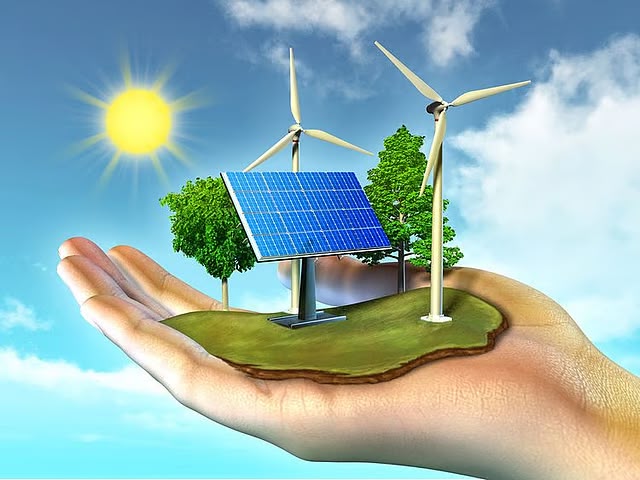
Renewable energy sources offer a promising solution to this challenge. They are abundant, reliable, and sustainable. They can reduce greenhouse gas emissions, mitigate climate change impacts, and foster global peace. They can also create new opportunities for economic growth, innovation, and social welfare.
This article explores the challenges and opportunities of global energy transformation, focusing on the dual nature of fossil fuels, the countdown to their exhaustion, and the promise of renewable energy sources. It also highlights the progress and potential of some countries in the Middle East and North Africa (MENA) region, which is one of the most dependent regions on fossil fuels in the world.
Fossil Fuels: A Double-Edged Sword
Fossil fuels, comprising oil, coal, and natural gas, are ancient energy sources that have been central to the development of various industries and sectors. They have enhanced transportation, manufacturing, agriculture, and electricity generation. They have catalysed global trade, commerce, and innovation, elevating the quality of life for millions.
However, this ascent has been coupled with profound challenges. Fossil fuels have been a source of geopolitical strife, epitomised by wars and conflicts over their control and distribution. They have also exacerbated environmental issues, such as greenhouse gas emissions, global warming, and climate change. Incidents like oil spills, gas leaks, and fracking have inflicted severe damage on ecosystems and public health.
The Countdown to Depletion
The finite and non-renewable nature of fossil fuels leaves humanity facing a daunting deadline. Predicting the exact exhaustion of these resources is a complex endeavour, influenced by reserves, consumption rates, technological advancements, and price fluctuations. Nonetheless, projections based on current data paint a concerning picture.
According to Octopus Energy, the year 2060 may mark the twilight of fossil fuels, based on current consumption and reserve estimates. In 2020, global oil production reached 91.7 million barrels per day (b/d), with key players like the United States, Saudi Arabia, and Russia at the forefront. Simultaneously, natural gas production stood at 3.94 trillion cubic meters (bcm). Although the Covid-19 pandemic temporarily curtailed production, a resurgence is anticipated. In contrast, natural gas consumption steadily rises by over 3% each year.
Should additional oil reserves remain elusive, known deposits could be depleted by 2052. The stark reality is that demand for oil has surged, nearly doubling the average annual rate observed over the preceding decade in 2018.
Toward a Sustainable Energy Paradigm
The global imperative for alternative energy sources is clear. Sustainable options, even if not entirely devoid of environmental impact, have become a linchpin of energy discussions. The quest for sustainability is no longer optional; it is fundamental to securing a prosperous future.
Embracing alternative and sustainable energy solutions is our paramount responsibility. The adverse consequences of persisting with fossil fuels are increasingly undeniable. Furthermore, incidents such as oil spills, gas leaks, and fracking have grievously scarred ecosystems and human health.
According to Octopus Energy, the year 2060 may mark the twilight of fossil fuels, based on current consumption and reserve estimates. In 2020, global oil production reached 91.7 million barrels per day (b/d), with key players like the United States, Saudi Arabia, and Russia at the forefront. Simultaneously, natural gas production stood at 3.94 trillion cubic meters (bcm). Although the Covid-19 pandemic temporarily curtailed production, a resurgence is anticipated. In contrast, natural gas consumption steadily rises by over 3% each year.
Should additional oil reserves remain elusive, known deposits could be depleted by 2052. The stark reality is that demand for oil has surged, nearly doubling the average annual rate observed over the preceding decade in 2018.
Toward a Sustainable Energy Paradigm
The global imperative for alternative energy sources is clear. Sustainable options, even if not entirely devoid of environmental impact, have become a linchpin of energy discussions. The quest for sustainability is no longer optional; it is fundamental to securing a prosperous future.
Embracing alternative and sustainable energy solutions is our paramount responsibility. The adverse consequences of persisting with fossil fuels are increasingly undeniable. Furthermore, incidents such as oil spills, gas leaks, and fracking have grievously scarred ecosystems and human health.
Therefore, some countries in the region have started to prepare for the transition to a post-fossil fuel era by diversifying their economies, investing in renewable energy sources, and promoting innovation and sustainability. According to a report by the International Renewable Energy Agency (IRENA), the MENA region has a huge potential for renewable energy development, especially solar and wind power. The report estimates that the region could generate more than 60% of its total electricity from renewable sources by 2030.
Some of the countries that have made significant progress in this field are:
• UAE: The UAE has been a leader in innovation and sustainability in the region, with a vision of becoming a global hub for green economy and clean energy. The UAE has set a target of increasing its share of clean energy to 50% by 2050. The UAE has invested in various renewable energy projects, such as the Shams 1 solar thermal plant, which is one of the largest of its kind in the world, and the Mohammed bin Rashid Al Maktoum Solar Park, which is planned to be the largest single-site solar park in the world by 2030. The UAE is also home to Masdar City, which is a planned city that aims to be one of the most sustainable cities in the world. Also, UAE is one of the 10 largest oil producing countries with a proven reserves, according to BP statistical reviews, of 100 billion barrels.
• Morocco: Morocco has been a pioneer in renewable energy development in the region, with a target of achieving 52% of its electricity from renewable sources by 2030. Morocco has invested heavily in solar power projects, such as the Noor Ouarzazate complex, which is the largest concentrated solar power plant in the world. Morocco also has a strong wind power sector, with a capacity of over 1.2 gigawatts (GW) as of 2019.
• Egypt: Egypt has also been pursuing an ambitious renewable energy strategy, with a goal of reaching 42% of its electricity from renewable sources by 2035. Egypt has a large potential for solar and wind power, especially in the Sinai Peninsula and the Red Sea coast. Egypt has launched several large-scale projects, such as the Benban Solar Park, which is expected to be the largest solar photovoltaic (PV) plant in the world when completed, and the Zafarana Wind Farm, which is one of the largest wind farms in Africa.
These are some examples of countries in the MENA region that are prepared for after fossil fuels era. However, there are still many challenges and barriers that need to be overcome, such as policy and regulatory frameworks, financing and investment mechanisms, public awareness and participation, and regional cooperation and integration.
The world is at a crossroads in its energy choices. Fossil fuels have been instrumental in driving industrial growth and development, but they have also caused severe environmental problems. Their finite nature also poses a threat to long-term energy security. The need for alternative and sustainable energy sources is clear and urgent.
Renewable energy sources offer a promising solution to this challenge. They are abundant, reliable, and sustainable. They can reduce greenhouse gas emissions, mitigate climate change impacts, and foster global peace. They can also create new opportunities for economic growth, innovation, and social welfare.